
A routine rehab project involving two properties turned into a prolonged legal and operational battle that tested every layer of lender oversight.
As if private lending didn’t already come with enough challenges—defaults, unresponsive borrowers, and stalled projects—Rehab Financial Group found itself facing all of the above. What began in the summer of 2022 with a respectable and experienced borrower turned into a three-year ordeal marked by repeated setbacks and costly complications.
Two Promising Loans
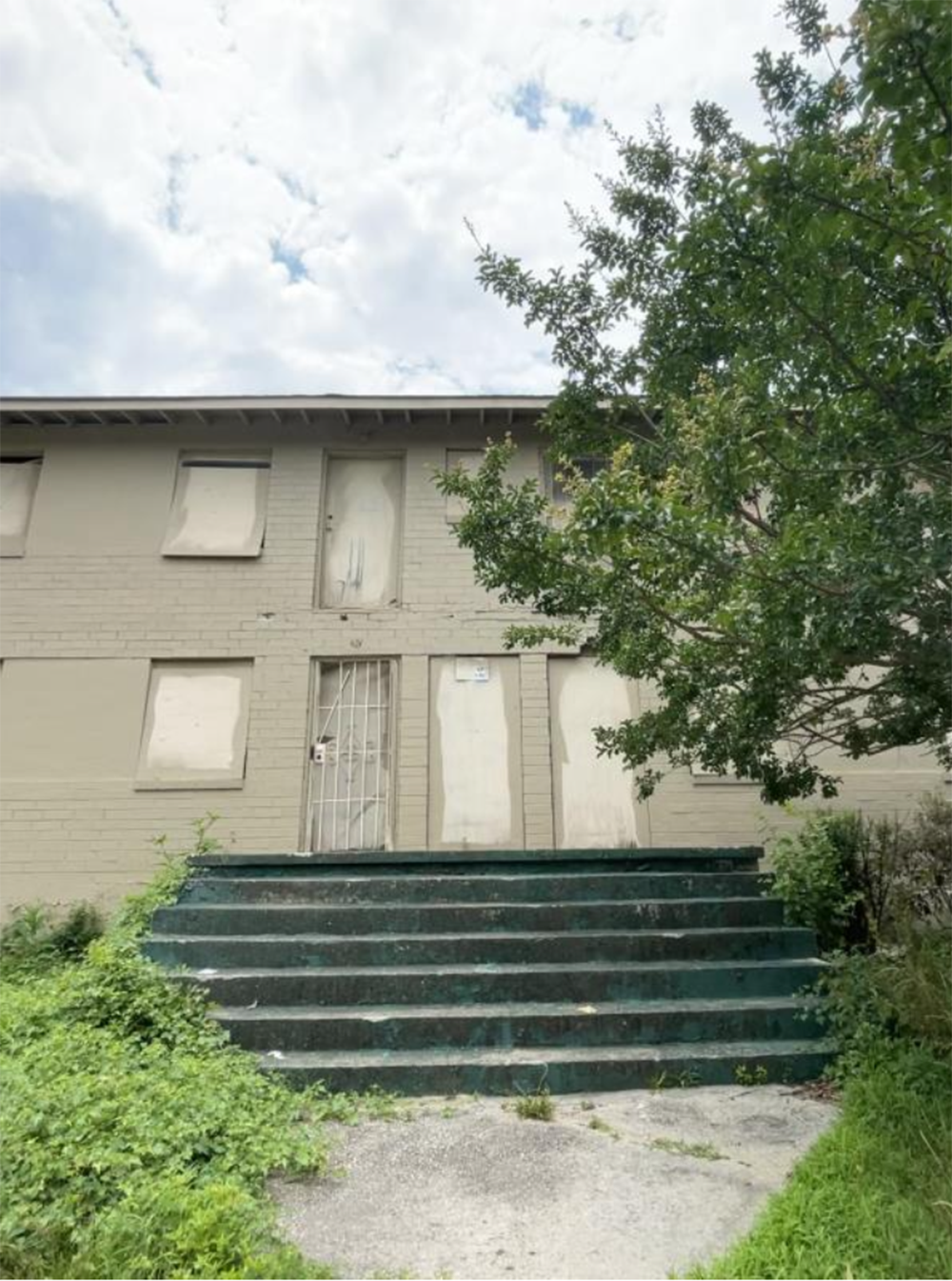
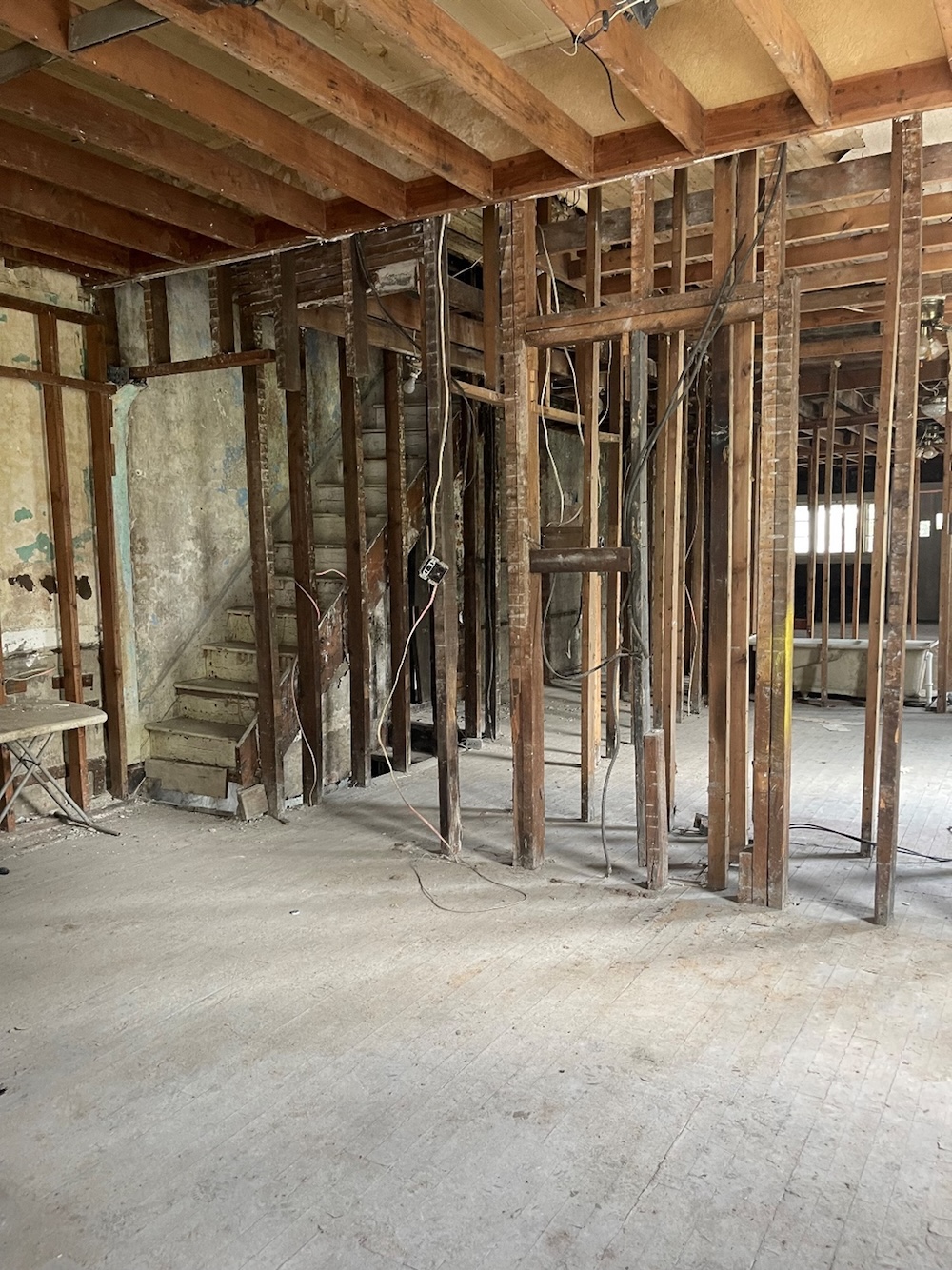
In August 2022, RFG made two loans to a single borrower. The guarantors, a husband and wife, were prior customers with substantial experience and a strong track record. Their credit scores were 724 and 673. Each loan was secured by identical eight-unit apartment buildings located within one block of each other. The properties were in poor condition, with rehab work having started and then stalled. For clarity, we will refer to them as the Flattened Project and the Stalled Project.
Each loan totaled $999,902. The purchase price funded by RFG at loan origination was $540,000, with the remaining $459,902 held back as rehabilitation funds to be disbursed in stages as work was completed.
For the first nine months, work progressed as expected. The borrower made payments as due and was finishing construction at a good pace. One of the guarantors advised RFG that they had entered into an agreement with the City of Atlanta to use the properties as a shelter for battered women upon completion. The borrower’s financials and the city contract would make refinancing the properties easy, and RFG would be paid off. This appeared to be a good project helping a good cause. What could be better?
The Demolition Order
Then disaster struck. A contractor working for the borrower reported that a demolition crew had arrived at the Flattened Project with a demolition order from the city. The contractor was able to stop the demolition that day but was advised that the crew would be back to carry it out at a later date.
The borrower notified RFG in a panic. We immediately pulled the title commitments and policies to determine whether any demolition orders or municipal liens had been missed during review, as RFG always requests confirmation of municipal liens and violations as part of our title process. None were found.
One detail, however, stood out: Even though the two loans closed on the same day through the same title agency, each policy was issued by a different title insurer. RFG never received a clear explanation for the discrepancy, particularly given that the seller was the same for both properties.
In hindsight, this was an underwriting oversight. The difference in insurers should have been questioned at the time as an unusual detail, but it went unexamined, likely because the agency handling both transactions was the same. Ultimately, the variance appeared to be nothing more than an unexplained irregularity, though it served as a reminder of the importance of probing even minor inconsistencies during underwriting.
RFG immediately issued a title claim letter informing the two title companies of the situation and urging them to go to court to get an injunction stopping any potential demolition on each property. All documents that were needed were sent with the title claim. The title insurer for the Stalled Project immediately jumped on the matter, found there was also a demolition order on the that property and obtained an immediate injunction. Unfortunately, the title insurer on the Flattened Project property kept repeatedly asking for more and more documents and delayed taking any action. During this delay, a demolition company arrived and demolished the property.
The Bulldozers of Bureaucracy
At this point, all work at the Stalled Project property stopped until all parties could figure out what was going on. The borrower hired an attorney who discovered that both demolition liens were invalid because they were “time barred,” meaning they were by law good only for a specific period of time. Although the orders were valid when the loans were closed (hence the title claim), they had expired by law at the time the demolition took place. The demolition should never have happened, and both the city and demolition company were liable.
All parties agreed that moving forward with the Stalled property, even with the injunction, would be foolish until the city confirmed it had canceled the demolition with the outside demolition company. No one from the city would verify this.
Accordingly, the work at the Stalled Property stopped completely. RFG was not willing to disburse any additional rehab funds for a property that might be knocked down. The borrower was stuck with invoices for work finished on both properties, which they had no means to pay. The matter dragged on for months.
During this time, RFG pursued a title claim for the Flattened property. After much back and forth, RFG received its payoff, less $50,000, which was determined to be the value of the land itself that was left. The problem was the $50,000 property now had a $40,000 city demolition lien on it and unpaid taxes. Shortly after, the city started a tax foreclosure on the Flattened property. Because there was no equity in it, neither RFG nor the borrower was willing to pay the taxes, so the vacant land was sold back to the city via tax sale.
Default and Recovery
Eventually, the city gave adequate assurance that the Stalled property would not be demolished. The borrower’s contractors, however, had moved on to other jobs, still had unpaid invoices from the Stalled and Flattened properties, and several contractors had filed mechanic’s liens on the Stalled property. The borrower had no funds to continue to pay RFG and went into default.
After some time, RFG and the borrower worked out an agreement to move forward with the Stalled property. The borrower was able to negotiate the mechanics’ liens on Stalled and get them released. The new contractor was not as efficient as the prior one, however, and the project dragged on much longer than anticipated.
Unfortunately, by the time the Stalled project was finished, the borrower had defaulted on its revised payments to RFG. After trying to work with the guarantors, RFG was told the borrower was leaving Atlanta entirely and had no interest in either property any longer. He further informed RFG that the stress of these two projects had caused him and his wife to divorce and that he was going off grid to the Caribbean, where he would not respond to calls, emails, or texts.
Before leaving for the Caribbean, the borrower retained counsel to pursue claims against the city for the wrongful demolition and resulting damages from both properties. From the borrower’s and RFG’s perspective, the city gave the matter little attention. The case lingered for years.
RFG finished the foreclosure on the Stalled project in September 2025. At the time, six of the eight units were occupied, with five paying rents. Eventually, all eight units were rented to tenants (with the help of a very competent property manager), and income began to flow into the property.
As of February 2026, there has been an offer on Stalled in an amount sufficient to pay RFG in full. Final terms are still being negotiated.
With regard to Flattened, the city finally admitted liability in 2024 but then spent a year negotiating the amount of the borrower’s damages. Finally, in late November 2025, the parties agreed to an amount, which the borrower received in February.
The borrower’s counsel has given RFG a commitment that the full debt owed on Flattened (including interest for an agreed-upon amount of time) will be paid to RFG once the city funds are received. Litigation by the borrower against the demolition company is ongoing.
In this case, it is hard to believe the sequence of adverse events affecting these two loans. RFG never stopped working on recovery (with and without the borrower), even going so far as to pursue the title carrier for the benefit of the borrower. Without staying on top of it all through these processes, RFG believes it would never have been paid off in full. The key is to keep on top of defaults. No one wants to deal with them, but managing defaults is a large part of protecting a lender’s bottom line.






Leave A Comment