
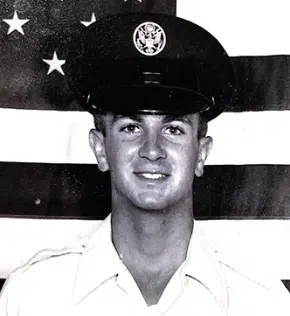
On September 16, 2001, after a Saturday night out with friends, I was awakened by a phone call giving me until Sept. 23 to report for active duty following the 9/11 attacks.
I was 30 years old, six months into a partnership at a real estate development company with 80 employees, and a month away from my wedding in Massachusetts—with 100 Texans already booked on flights to attend. Overnight, everything changed.
The call wasn’t entirely surprising. I had grown up in a military family, and on the morning of my 18th birthday, my father—an Air Force colonel who believed I could use more discipline—surprised me with a trip to a recruiter. After watching action-packed videos of military operations, I enlisted in the Air Force Reserves without hesitation.
I finished my last four months of high school, completed basic and technical training that August, and became part of the Phoenix Ravens, a squadron providing security for aircraft and crew in high-risk locations worldwide, primarily on missions targeting the international drug trade.
Through college, I balanced coursework with deployments—one week flying to a mountainside in Colombia or a jungle in French Guiana, the next back on campus with a paper completed aboard a C-130.
After earning my MBA, I moved into real estate development while continuing to serve. When I was activated after 9/11, I was helping oversee a project that would ultimately produce 850 residential lots. A trusted colleague stepped in to cover my civilian responsibilities, I traveled for my wedding as planned, and I would remain on active duty until May 2006.
Since then, the unexpected has kept arriving—the 2008 financial crisis, COVID, and everything in between. My military training has been the through line. The discipline I developed carrying weapons in uniform has helped me just as well as carrying a briefcase.
My military experience shaped three convictions I carry into leadership today.
First, teams operate best when they are not just motivated, but also healthy and rested. That’s why I push back against the culture of sacrificing sleep and relationships in the name of success.
Second, leadership requires constant training and honest evaluation to keep teams sharp and free of complacency.
Third, the situational awareness the Phoenix Ravens demanded—owning everything within your force protection perimeter—translates directly to business. I try to stay attuned to the economic forces affecting our company in real time, from geopolitical disruption to rising interest rates to inflation, and to anticipate challenges before they become crises.
The uniform may come off, but the training doesn’t.





Leave A Comment